There is a version of this post that reads as a startup pitch. There is another version that reads as a quiet rejection of how startups are supposed to work. We wrote both at the same time, on purpose, because we think the tension between them is exactly the point.
Rover Already Proved the Market Exists
Rover.com didn't invent pet sitting. They industrialized it. Over a decade of venture funding, aggressive market expansion, and a 2021 SPAC at a $1.35 billion valuation, they built the category infrastructure — the expectation that you can open an app and find someone to watch your dog. That behavioral adoption cost them hundreds of millions of dollars and years of friction. In contrast, other platforms like Wag failed to maintain the trust needed to sustain growth.
Tinies didn't pay any of that.
From a pure capital efficiency standpoint, this is one of the most underrated advantages a new entrant can have. The expensive question — will people use this? — has already been answered. What remains is a better question: will people choose this instead?
Scale Is a Ceiling, Not Just a Floor
The conventional wisdom is that Rover's scale is the moat. Network effects, brand recognition, supply density in major metros — all real. But scale creates structural rigidity that compounds over time.
A pricing model change at Rover requires alignment across product, legal, finance, and a publicly traded board. A UX overhaul touches millions of active users and carries significant churn risk. Adding a new product vertical means competing internally for engineering resources across a company of hundreds.
Tinies can make a meaningful product decision in a day. Not because we're scrappy — because we're appropriately sized for the problem we're solving right now.
This isn't a temporary advantage that disappears when we grow. It's a window: long enough to establish the differentiation that makes us defensible before scale becomes our constraint too. The question is whether we use it.
The Niche They Can't Enter
Rover has to serve everyone. A platform at their scale cannot optimize for specificity — it optimizes for volume. That means sitters in dense urban markets get priority, edge cases get automated support queues, and the experiences that fall outside the median use case get quietly underserved.
Tinies is built around the edges.
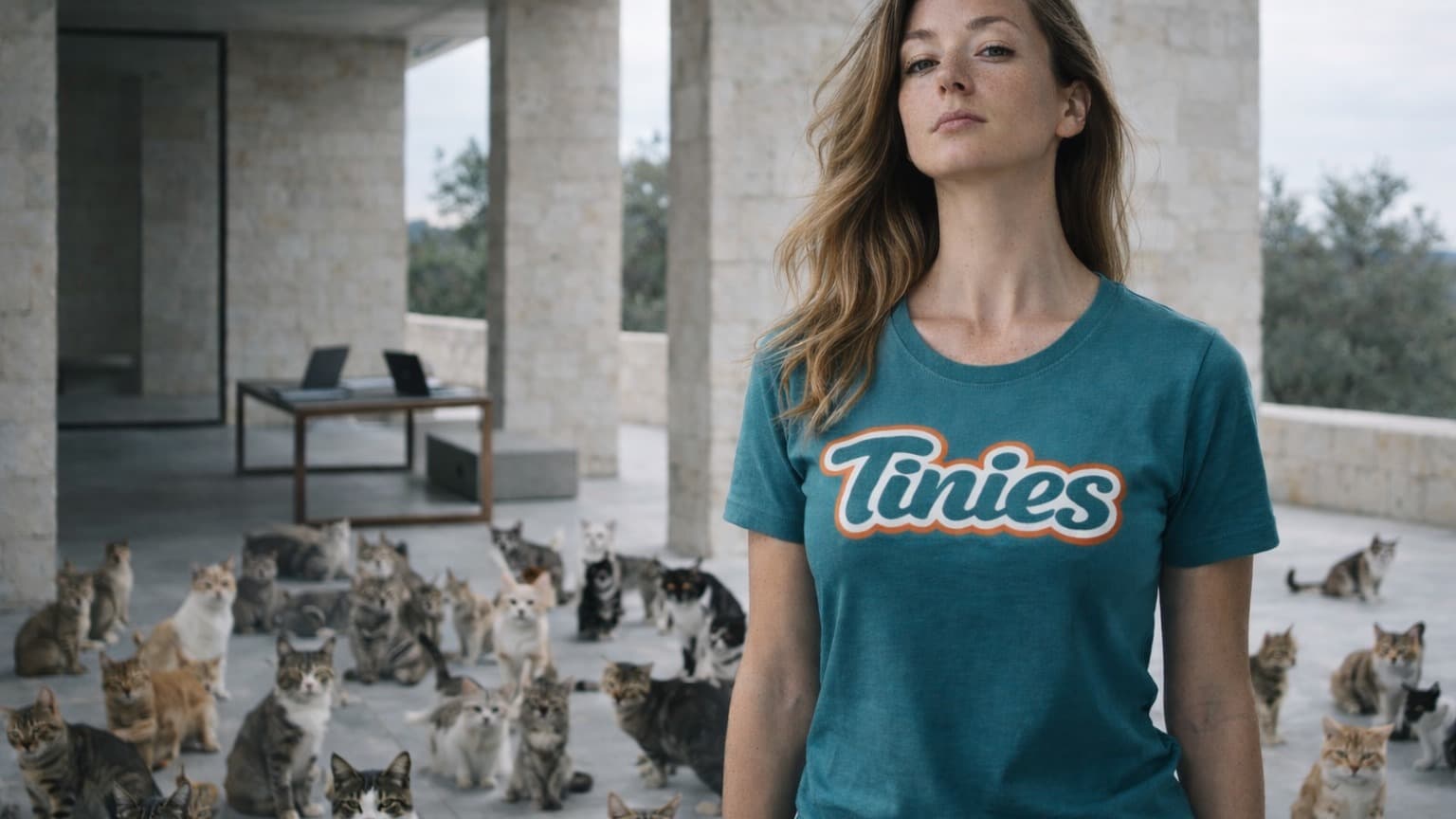
International pet relocation and adoption. Expat and digital nomad pet care across markets like Cyprus, Portugal, and Mexico. Sanctuary-linked bookings where a percentage of every transaction funds animal welfare organizations directly — including Gardens of St. Gertrude, a cat sanctuary in Cyprus that inspired this platform.
These aren't features Rover can bolt on. They're founding constraints that shaped every architectural decision we made. A charity-native marketplace isn't a positioning statement — it's a database schema, a payment flow, a legal structure, and a user expectation baked in from day one.
Their Public Record Is Our Product Spec
Every negative Rover review is a feature request we didn't have to pay a researcher to surface. Every sitter forum complaint about arbitrary deactivations, opaque dispute resolution, or payment timing is a problem we could design around before we launched.
We read thousands of them. Not to be contrarian — to be precise.
The result is a platform built with known failure modes already accounted for: transparent fee structures, clear dispute pathways, sitter protections that don't disappear when a booking goes sideways, and a mission that gives both sides of the marketplace a reason to trust the platform rather than just tolerate it.
The Anti-Investor Argument and the Investor Argument Are the Same Argument
Here is what we are not doing: raising $40 million to subsidize below-market bookings until we've captured enough supply to raise prices on everyone. That playbook exists, it has worked, and it has also produced platforms that users resent the moment they have an alternative.
Here is what we are doing: building a marketplace with a sustainable unit economics model from the start, where the platform's financial health and its mission are the same thing — not in tension. Approximately 90% of Tinies' booking commission funds Gardens of St. Gertrude and other Cyprus animal sanctuaries.
To an investor looking for a defensible niche with low customer acquisition costs, a mission-aligned user base, and a platform built on top of proven category demand: that structure is the pitch.
To a user who is exhausted by extractive platform economics: that structure is the promise.
Both readings are correct. We designed it that way.
What Second Place Actually Means
"Second mover advantage" is a real concept in competitive strategy, consistently underweighted by founders who confuse being first with being best. The first mover establishes the category and absorbs the cost of education, failed experiments, and early infrastructure. The second mover inherits the validated demand, reads the post-mortem on what didn't work, and builds with better tools, better information, and a cleaner slate.
Rover paid the price of market creation.
Tinies collects the dividend.
Tinies is a pet services marketplace and international animal adoption platform. A majority of platform revenue funds animal sanctuaries in Cyprus and beyond. Learn how Tinies compares to competitors, read about why Wag failed, or support Gardens of St. Gertrude directly.
Related posts
 PET CARE
We Are Not Trying to Get Rich. We Are Trying to Take Care of Animals.
This is the post that every startup founder is advised not to write. The conventional wisdom is that you do not talk about money in terms of what …
6 min read
Read → PET CARE
Why We'd Rather Have Investors Who Actually Like Dogs
In 2021, Rover went public via SPAC at a valuation of $1.35 billion. In 2023, Blackstone — the private equity firm with $1 trillion in assets under…
6 min read
Read → ADOPTION
War Doesn't Just Displace People. It Abandons Animals.
When a family flees, the question of what to do with the dog is not a small one.
5 min read
Read →