Cyprus earned a record €3.69 billion in tourism revenue in 2025, a 15.2 percent increase over the previous year. More than four million tourists visited the island. Tourism accounts for roughly 20 percent of the country's GDP and is projected to reach 25 percent by 2030.
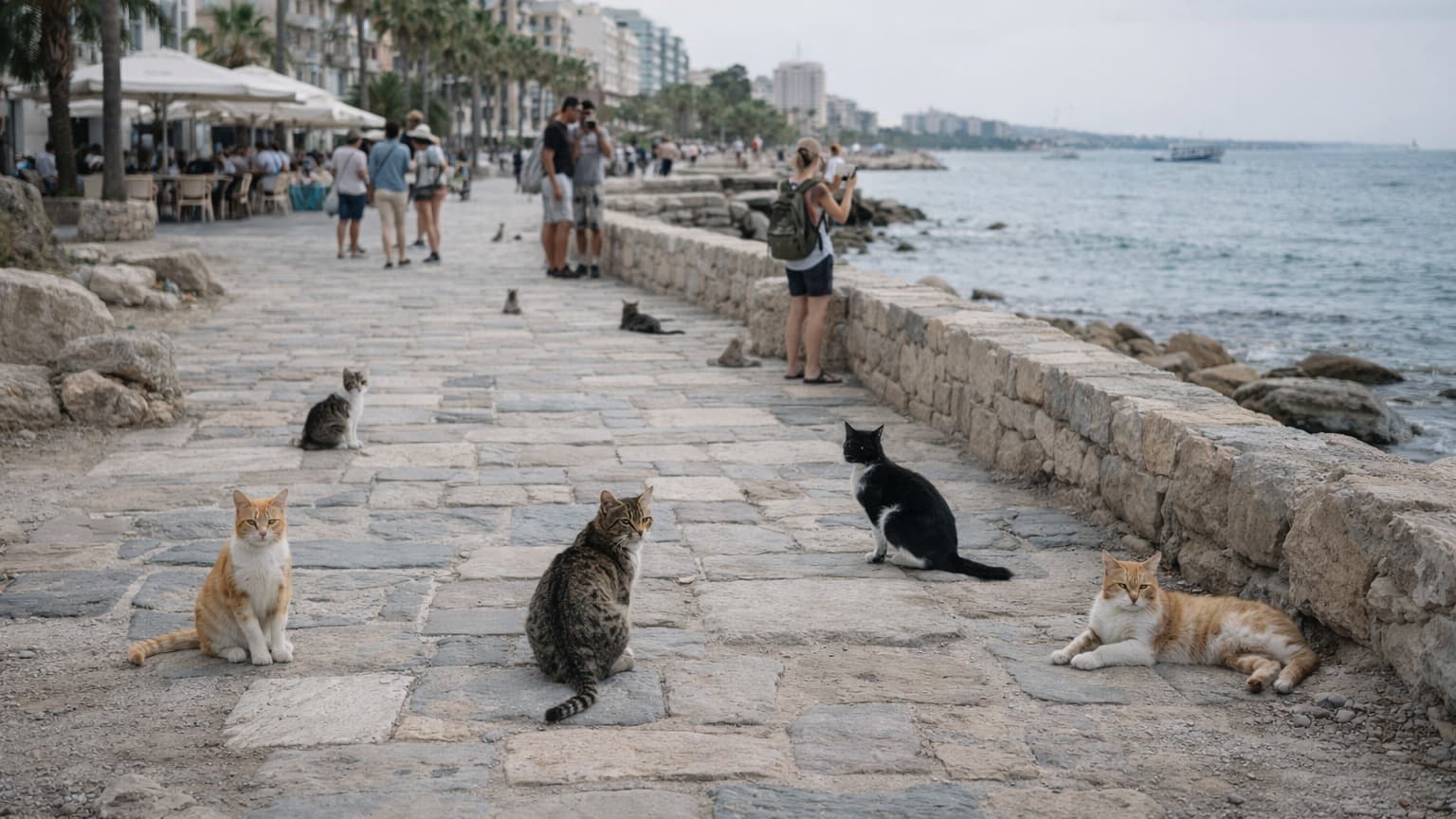
The island is already known globally as the "Island of Cats." This is not a nickname anyone chose strategically. It emerged organically because visitors cannot walk through any town center, archaeological site, or beach promenade without encountering dozens of cats. Social media is saturated with photos and videos of Cyprus cats. The 9,500-year-old burial of a cat alongside a human discovered at Shillourokambos is the earliest known evidence of a domesticated cat on earth. The Monastery of St. Nicholas of the Cats has been a feline sanctuary since the fourth century.
And yet no one has calculated what this brand is worth, or what it could be worth if managed deliberately.
The Accidental Brand
Right now, the "Island of Cats" identity operates entirely by accident. Cats are everywhere. Tourists photograph them. Some tourists donate to local shelters. A few volunteer. But there is no coordinated effort to convert this global awareness into revenue, and no mechanism to ensure that the cats tourists are photographing are healthy, vaccinated, and cared for.
The result is a paradox: the thing that makes Cyprus distinctive and viral on social media is also the thing the government treats as a public nuisance.
What Managed Cat Tourism Looks Like
Japan has demonstrated that cat-focused tourism is not a niche curiosity. It is a legitimate economic sector. Tashirojima (Cat Island) draws tens of thousands of visitors annually to a remote island with a population of fewer than one hundred humans. Cat cafés in Tokyo, Osaka, and Kyoto generate millions in annual revenue. The town of Onomichi has built an entire tourism brand around its cat population, complete with cat-themed shops, trails, and maps.
Cyprus has something Japan's cat islands do not: a 9,500-year-old archaeological record, a saint who reportedly introduced cats to the island, a functioning monastery that has cared for cats for over a thousand years, and a climate that allows year-round outdoor engagement with animals.
The infrastructure required to formalize cat tourism already exists in scattered form across the island. What is missing is strategy.
A Concrete Model
A managed cat tourism program in Cyprus would involve five components, none of which require new legislation or large capital expenditure.
The first component is designated cat sanctuary districts in high-traffic tourist areas. Limassol, Paphos, Larnaca, and Ayia Napa each have areas where cat colonies already concentrate. These areas could be formalized as managed cat parks with feeding stations, shelter structures, and interpretive signage explaining the island's feline history and the sterilization programs underway.
The second component is a "Cat Trail" tourism product connecting the Shillourokambos archaeological site, the Monastery of St. Nicholas of the Cats, Gardens of St. Gertrude, and other sanctuaries into a bookable day trip or multi-day itinerary. No such product currently exists despite the obvious demand.
The third component is a donation integration layer. Every interaction point — signage, trail markers, sanctuary visits, cat cafés — should include a frictionless digital donation mechanism. A QR code linking to a donation page takes seconds to implement and converts passive interest into funding.
The fourth component is a cat health certification program for sanctuary districts. Tourists do not want to see visibly sick or injured animals. A managed district where cats are sterilized, vaccinated, treated for parasites, and ear-tipped signals quality and care. This costs money but generates far more in tourism spend and international reputation.
The fifth component is a transparent impact reporting system. Visitors who donate should see exactly where their money went. Tinies already operates on this principle — approximately 90 percent of booking commissions fund cat sanctuaries. Scaling this transparency to the broader cat tourism ecosystem would differentiate Cyprus from every other animal welfare destination in the world. See the Real Economics of Stray Cat Care in Cyprus for more on this model.
The Revenue Math
Cyprus attracts roughly four million tourists per year. If even 5 percent engaged with a cat tourism product at an average spend of €50 per interaction — a conservative figure that includes sanctuary visits, trail fees, cat café spend, and donations — the annual revenue would be €10 million. At 10 percent engagement, it reaches €20 million. At higher per-visitor spend driven by multi-day itineraries, guided experiences, and merchandise, €50 million to €100 million is not unrealistic over a five-year development period.
For context, the government's entire cat sterilization budget is €300,000 per year. A functioning cat tourism sector could generate a hundred times that amount while simultaneously funding the very sterilization programs that make the tourism product viable.
Why This Has Not Happened
Three reasons.
First, the government treats cats as a problem to be managed rather than an asset to be developed. The framing is entirely negative: stray cats are a public health risk, an ecological threat, a source of complaints. This framing is partially correct but fundamentally incomplete. It sees only the cost column and ignores the revenue column.
Second, the tourism industry has not connected the dots. The Deputy Ministry of Tourism's strategy focuses on sun-and-sea, cultural heritage, wellness, and MICE tourism. Cats appear nowhere in the official tourism strategy despite being the single most recognizable and viral aspect of the island's identity to international audiences.
Third, there is no entity with the mandate and capability to bridge animal welfare and tourism development. Sanctuaries are focused on survival. The tourism ministry is focused on hotel investment. Veterinary Services is focused on sterilization logistics. No one is looking at the system as a whole.
The Opportunity
The "Island of Cats" brand already exists. It is already global. It already drives social media engagement and shapes international perception of Cyprus. The question is whether Cyprus will let this brand degrade through neglect — with increasingly visible disease, suffering, and ecological damage — or develop it into a managed asset that funds its own sustainability.
Japan proved the model works at small scale. Cyprus has the raw materials to prove it works at national scale. The island's history, climate, geography, and existing tourism infrastructure make it uniquely positioned.
What it needs is someone to build the bridge between the cats and the revenue they could generate.
This is the second article in our five-part Solutions Series. Read the others: The Single Injection That Could End the Cyprus Cat Crisis, The Cyprus Cat Crisis Will Never Be Solved Without Fixing the Bins, What If Every Cat in Cyprus Had an Identity?, Eradicate by District, and A Million Cats and No Map.
For the full picture of how the crisis developed, read The Ecology of Cats in Cyprus and Cyprus Government Stray Animal Spending.
Tinies is building that bridge. As a pet services marketplace that channels approximately 90 percent of booking commissions to Gardens of St. Gertrude and other Cyprus sanctuaries, Tinies demonstrates that animal welfare and sustainable revenue are not in conflict. They are the same thing. Browse adoptable animals, find trusted pet care, or become a provider.
Related posts
 SOLUTIONS
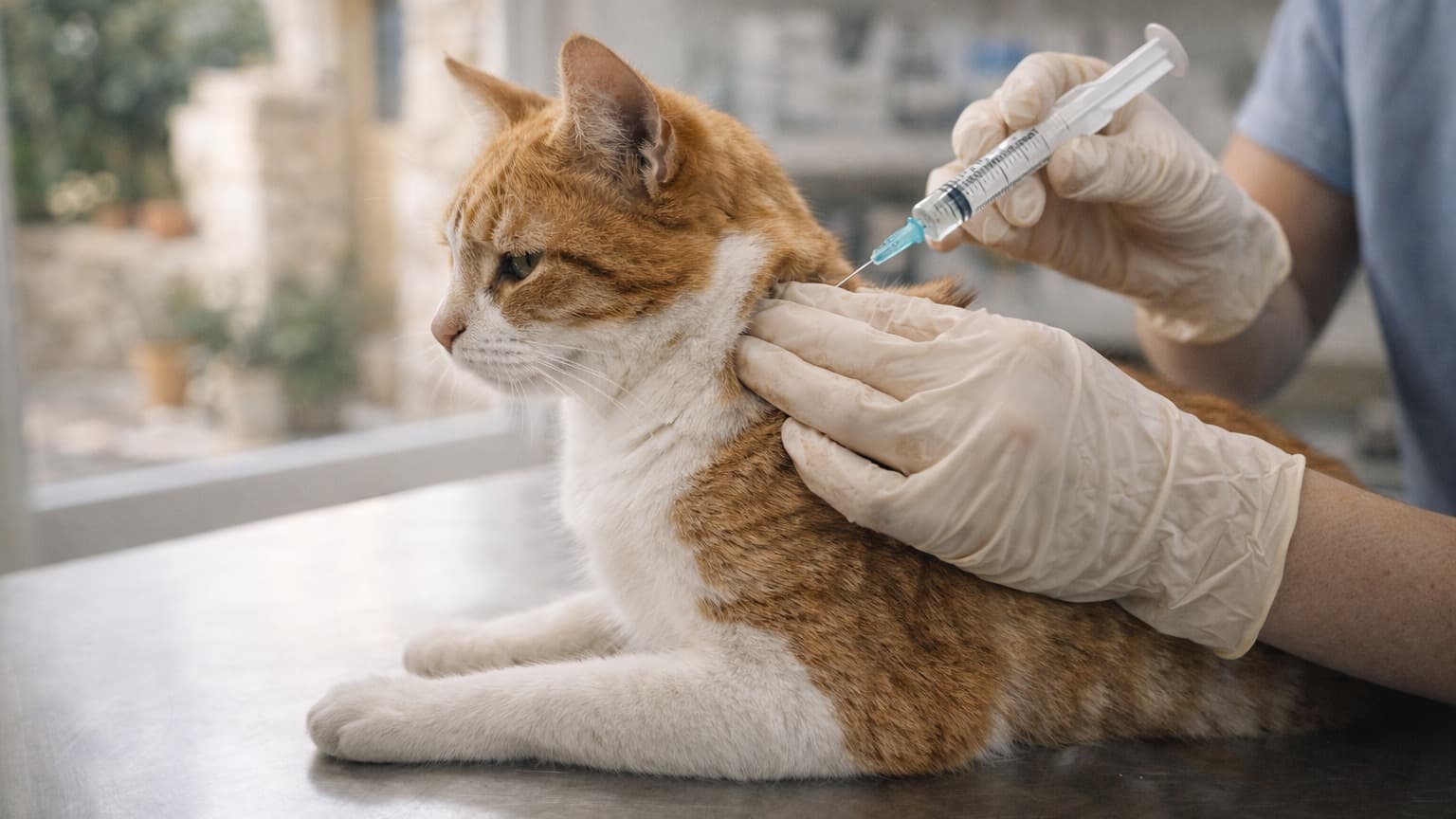
The Single Injection That Could End the Cyprus Cat Crisis — And Why No One Is Talking About It
A gene therapy contraceptive developed by Harvard and the Cincinnati Zoo permanently sterilizes female cats with one injection. No surgery. No anes…
6 min read
Read →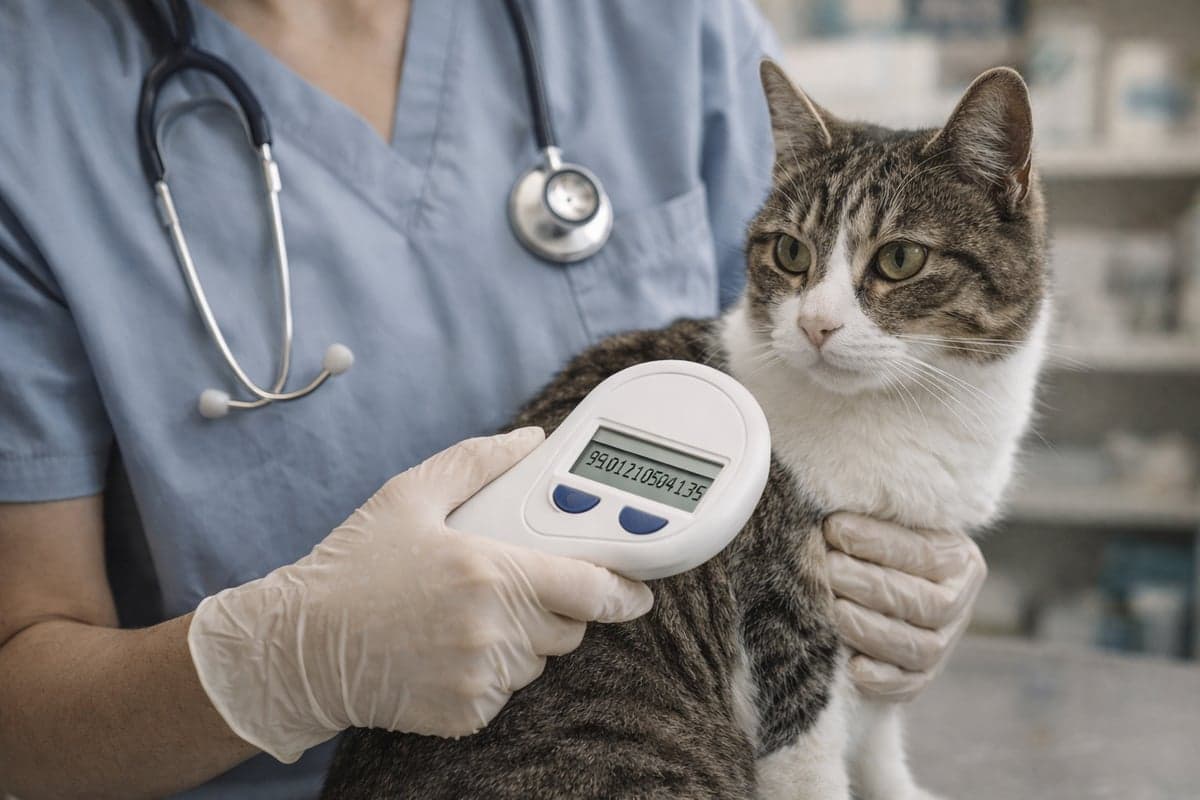 SOLUTIONS
What If Every Cat in Cyprus Had an Identity? The Case for a National Feline Registry
Cyprus cannot manage what it cannot count. A mandatory microchip registry for all owned cats — enforced through veterinary checkpoints — would clos…
7 min read
Read →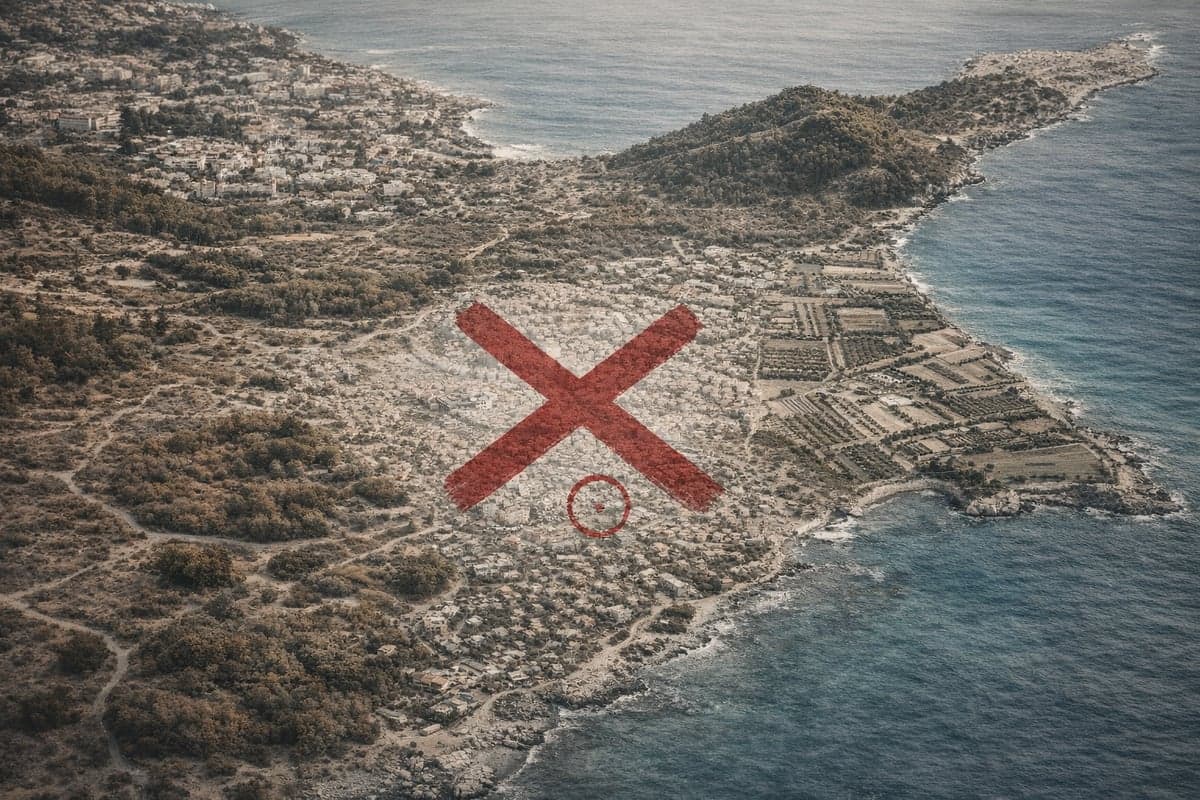 SOLUTIONS
Eradicate by District: What Infectious Disease Strategy Can Teach Cyprus About Its Cat Crisis
The World Health Organization did not eradicate smallpox by vaccinating randomly. It used ring containment — systematic, district-by-district elimi…
7 min read
Read →