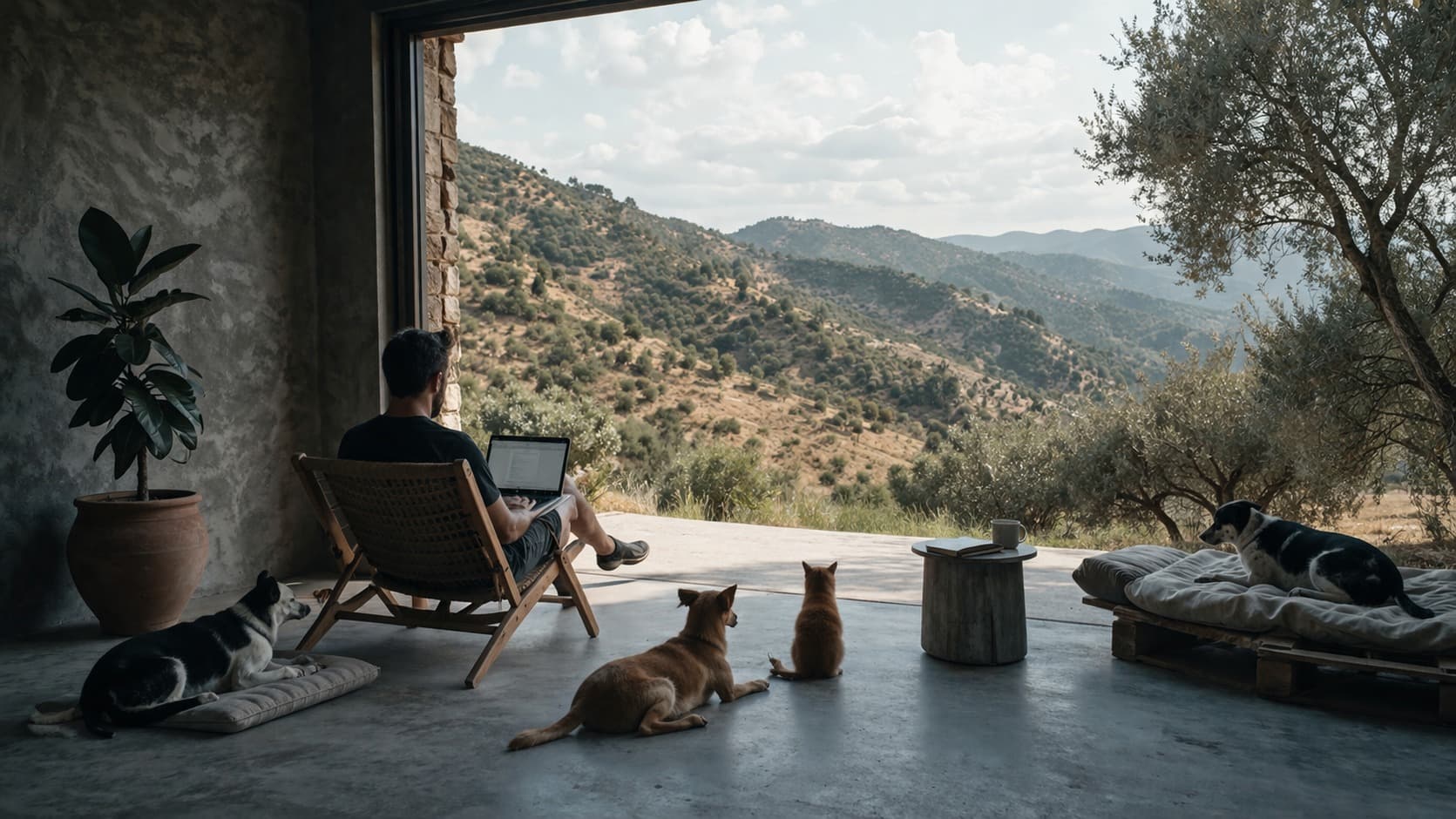
Every sanctuary owner in Cyprus knows the math. The cats keep coming. The costs keep climbing. The donations are unpredictable, the volunteers burn out, and the municipal support ranges from inadequate to nonexistent. The island has an estimated 1.5 million stray cats and a welfare infrastructure built almost entirely on the goodwill of people who are already stretched thin.
The standard response is to ask for more help. More donations, more volunteers, more public awareness. And those things matter — but they don't fix the structure. They just buy time.
What if the structure is the problem?
The current model asks people with limited resources to absorb unlimited need. That's not a funding gap. That's a design flaw.
The current model asks people with limited resources to absorb unlimited need. That is not a funding gap. That is a design flaw. And design flaws don't get fixed by trying harder — they get fixed by building something different.
The question nobody is asking
What would it look like if a sanctuary didn't need donors at all?
Not as a utopian thought experiment, but as a practical business question. Cyprus has something that most places trying to solve this problem don't: an abundance of rural properties with existing infrastructure, a tourism economy that rewards authenticity and experience, and a real estate market where distressed agricultural and hospitality assets change hands at prices that make acquisition genuinely conceivable.
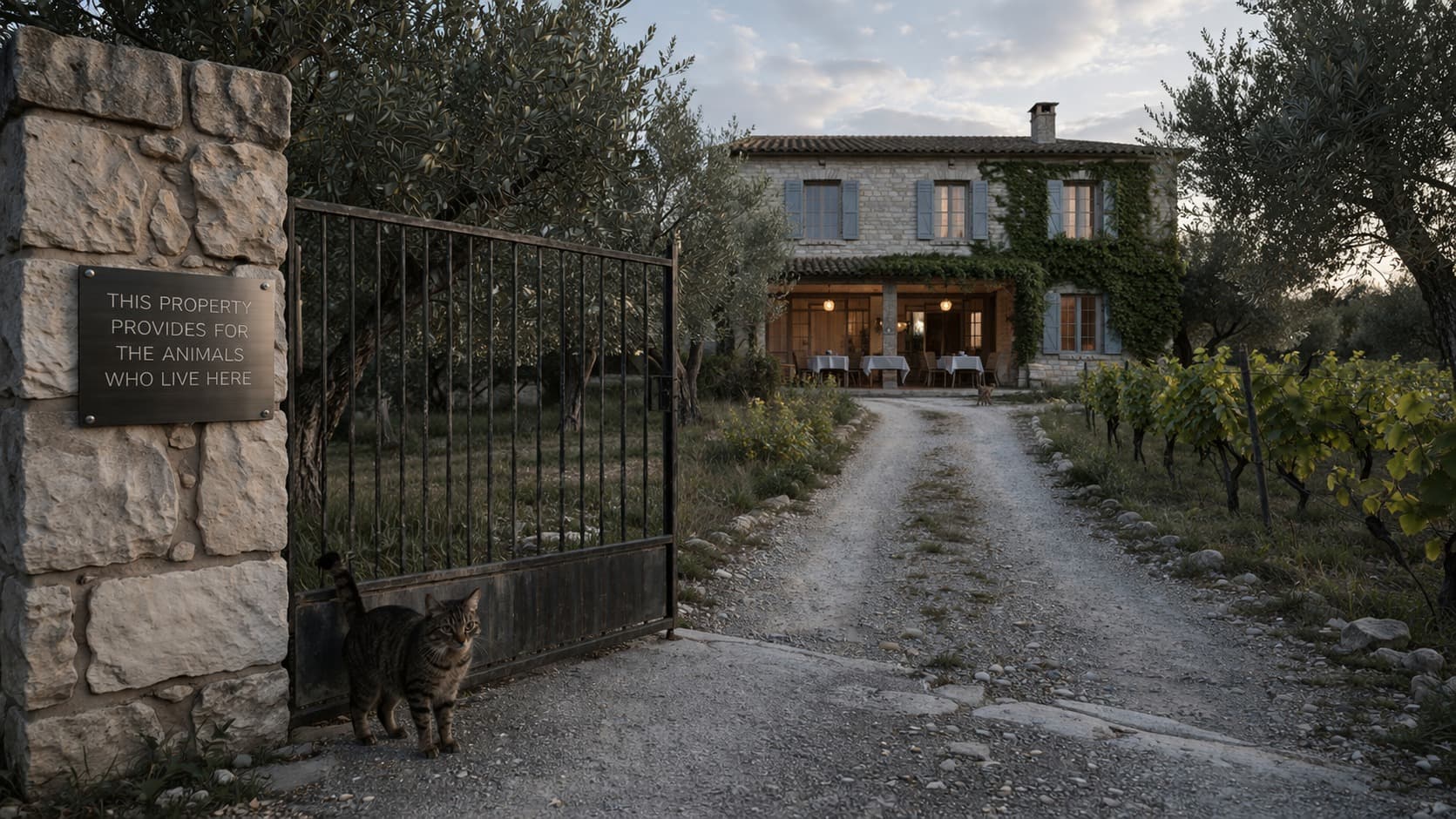
There are vineyards in the Troodos foothills that are one retirement away from sitting idle. Agrotourism guesthouses that were productive for thirty years and now need a new operator. Olive groves, herb farms, small craft producers — properties with walls, gates, outbuildings, and land that is already enclosed. Properties that are, almost by accident, structurally suited to housing animals safely.
The question is not whether these places could host a sanctuary. The question is whether a sanctuary could acquire one of them — through a conventional business loan, a small investment, a partnership — and run the whole thing as a single integrated operation. The vineyard sells wine. The guesthouse hosts guests. The cats live there. A defined percentage of revenue, structural and non-negotiable, funds the animal welfare operation. Not as a charity. As an operating condition.
Why this is a business, not a dream
Banks lend money to vineyards. They lend money to guesthouses. They lend money to agrotourism operations across Cyprus every year. The addition of a resident animal sanctuary does not make a property less financeable — in many cases it makes it more distinctive, more memorable, and more likely to generate the kind of word-of-mouth that keeps occupancy up without a marketing budget.
Guests remember the winery cat. They photograph it. They come back because of it. They tell people. The animals stop being a cost center and become something rarer: a genuine reason to choose one place over another in a market where everything else looks the same.
The animals stop being a cost center and become something rarer: a genuine reason to choose one place over another.
This is not a new idea in theory. Farm sanctuaries exist. Rescue-oriented hospitality businesses exist. What is less common is building this from the beginning with a clear financial structure — where the revenue split between operations, growth, and animal welfare is explicit and auditable from day one. Not a retrofit. Not a feel-good footnote. A load-bearing part of how the business works.
The concept has a name: a cause hotel. A property where the commercial operation and the sanctuary are the same business, not two separate things sharing a postcode. The hotel does not support the sanctuary. The hotel is the sanctuary's operating model. The animals' welfare improves exactly as the business improves. There is no version of growth that leaves them behind.
What would it actually take
A property. Access to financing — a business loan, a land acquisition mortgage, or a partnership with someone who has capital and wants to put it toward something that works. An operator willing to run a real business, not a charity with rooms. And a legal structure that makes the revenue commitment to animal welfare binding, not discretionary.
None of these are insurmountable. Cyprus has distressed rural properties available now. European agricultural and tourism financing exists for exactly this kind of rural business revival. The hospitality expertise required is learnable or hireable. The legal structure is straightforward once the intent is clear.
What has been missing is not the pieces. It is the frame. Nobody has looked at a dying vineyard in Pitsilia and thought: this is a sanctuary acquisition opportunity. Not because it isn't — but because the people who love animals and the people who think about rural property finance have not been having the same conversation.
The wider possibility
Scale this idea and something more interesting emerges. Not a single property but a network. Properties across Cyprus — and eventually beyond — operating under a shared set of standards: defined animal welfare commitments, transparent revenue allocation, independent verification. A certification that means something. Properties that earn the designation not because they put a cat on their logo but because the structure of the business guarantees it.
A traveler who cares about animals could choose these properties the way someone chooses an organic wine — not out of obligation, but because they know what the label actually means. The network creates demand. The demand justifies the model. The model funds the cats.
The cats do not depend on next year's donation drive. They depend on people who were going to book a guesthouse anyway.
The cats do not depend on next year's donation drive. They depend on people who were going to book a guesthouse anyway.
This is not the only way
A rural property acquisition is not the right move for every sanctuary owner, and this piece is not arguing that it is. What it is arguing is that the current model — sustained generosity as the primary funding mechanism — is fragile in ways that are predictable and preventable.
There are lighter versions of the same logic. A small business that shares premises with a sanctuary. A product line where the margin goes directly to animal welfare. A services marketplace where the booking commission is structurally committed to rescue operations rather than shareholder return—what we call the 90% model. The common thread is the same: the mission is not funded by the business. The mission is what the business is for.
Cyprus has 1.5 million stray cats and a small, determined community of people trying to care for them. That community deserves better than a permanent fundraising emergency. The tools to build something more durable are available. The properties are there. The financing exists. The demand from people who want to spend time in beautiful places that are also doing something real is growing.
The only thing that needs to change is the question we're asking.
Tinies is a pet services marketplace built to fund animal sanctuaries across Cyprus. If you're a sanctuary operator, a property owner, or someone who wants to think seriously about what a cause hotel could look like — we'd like to hear from you.
Related posts
 SOLUTIONS
What If the Land Paid for Itself?
Some properties are structurally protective of cats. Some generate income. A small number do both. Here is what to look for — and why Cyprus has mo…
5 min read
Read → SOLUTIONS
The Cause Hotel: What I Pitched, What Y Combinator Said, and What I Think Now
I pitched a franchise model where hotels funded animal sanctuaries. Y Combinator passed. Here is what I built instead — and why I think the origina…
4 min read
Read →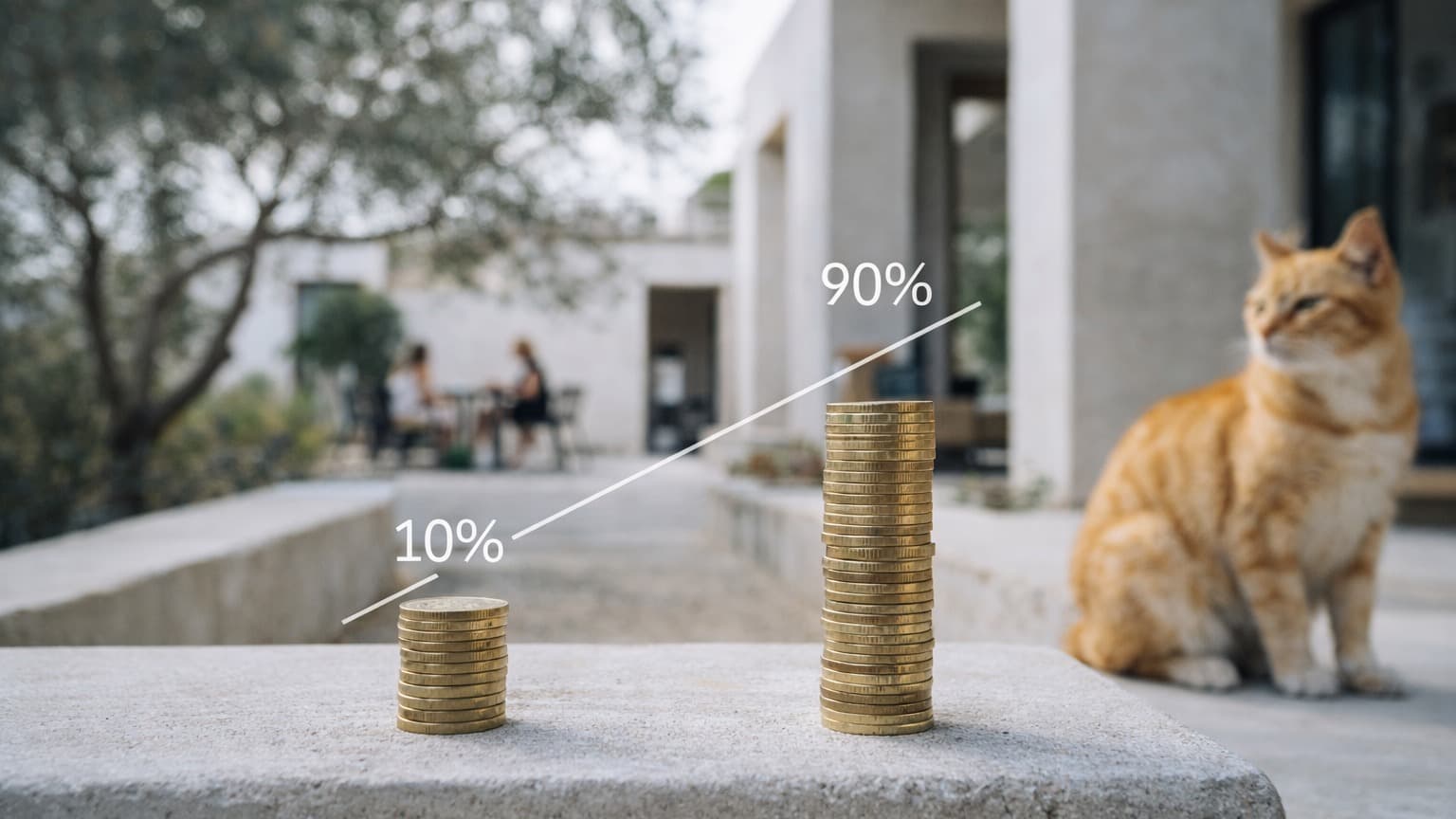 SOLUTIONS
The 90% Model: How to Structure a Business Where the Animals Are the Point
The mission is not funded by the business. The mission is what the business is for. Here is what that looks like in practice — and how to build it …
6 min read
Read →